

Businesses in 2026 use AI automation to handle repetitive tasks, improve customer response times, and scale operations without adding headcount. The Roy Effect, a Houston-based creative studio, helps firms integrate these tools to turn digital attention into measurable revenue. This listicle outlines the primary capabilities you can build to modernize your workflow. For additional details, review the About Rory Ulloa Houston.
1. Conversational AI Agents
AI agents answer customer questions instantly, 24/7. These systems use natural language processing to understand intent and provide accurate answers based on your business data. They reduce the burden on human support teams by handling routine inquiries like hours, pricing, and basic troubleshooting. The Roy Effect designs voice and chat agents that answer when you cannot, ensuring no lead goes cold.
2. Automated Lead Follow-Up
Automated sequences ensure every lead receives timely contact. When a prospect fills out a form or requests a quote, automation triggers immediate personalized emails or text messages. This speed is critical because response time directly impacts conversion rates. By removing manual data entry and scheduling, your team can focus on high-value conversations rather than administrative tasks. For additional details, review the Terms of Service The.
3. Intelligent Content Generation
AI tools draft and refine marketing content at scale. Large language models can generate blog posts, product descriptions, and social media updates based on specific prompts and brand voice guidelines. This capability allows small teams to maintain a consistent publishing schedule without hiring a full-time copywriter. The output still requires human review to ensure accuracy and brand alignment, but the initial drafting time is significantly reduced. For additional details, review the Design Services Brand UI.
4. Predictive Data Analysis
Machine learning models forecast trends from historical data. Instead of relying on gut feelings, businesses can use AI to analyze sales patterns, customer behavior, and market shifts. These predictions help with inventory management, budget allocation, and strategic planning. By identifying potential issues before they occur, you can make proactive decisions that protect margins and improve operational efficiency. For additional details, review the Houston Website Cost in.
5. Workflow Orchestration
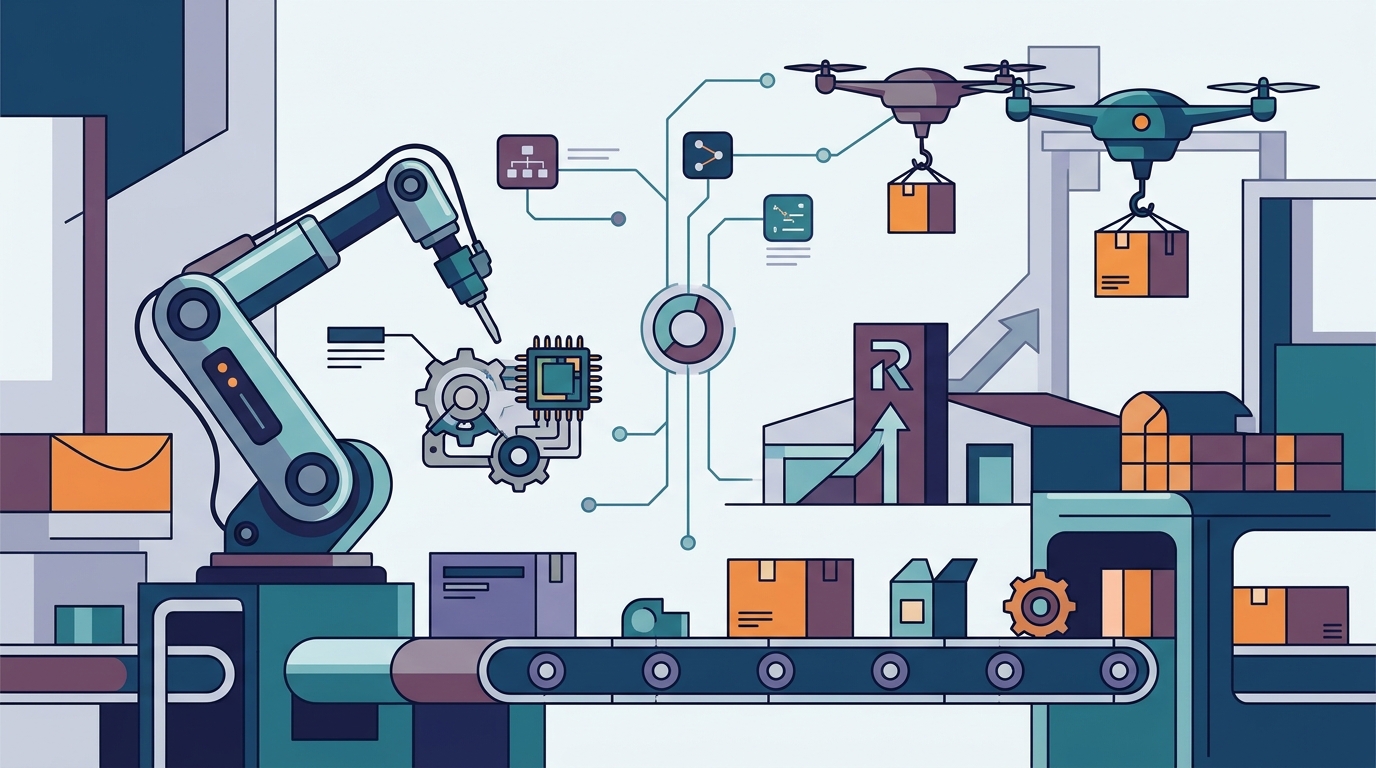
AI connects disparate software tools to eliminate manual handoffs. Automation platforms can move data between your CRM, email marketing, accounting, and project management systems automatically. This orchestration reduces errors caused by manual data entry and ensures that information is always up to date across your tech stack. The result is a smoother operational flow where data moves as fast as your business does.
6. Personalized Customer Experiences
AI segments audiences and tailors interactions in real-time. By analyzing user behavior and past interactions, AI systems can recommend products, adjust website content, or send targeted offers. This level of personalization increases engagement and customer lifetime value. It transforms a generic digital presence into a responsive experience that feels individual to each visitor.
7. Operational Process Optimization
AI identifies bottlenecks and suggests efficiency improvements. By monitoring internal processes, AI can detect where time is being wasted or where resources are misallocated. It can then recommend workflow changes or automate specific steps to streamline operations. This continuous optimization helps businesses scale without proportional increases in overhead costs.
Choosing the Right Capability
Select the automation that addresses your most painful bottleneck first. If lead response time is your issue, start with conversational agents and follow-up sequences. If content volume is the barrier, prioritize generation tools. The Roy Effect helps you map these capabilities to your specific business goals, ensuring you build solutions that drive revenue rather than just adding technology for its own sake.
Frequently Asked Questions
What is AI automation in a business context?
AI automation is the use of artificial intelligence to perform tasks that previously required human input, such as data entry, customer service, or decision-making.
How does The Roy Effect implement AI for clients?
The Roy Effect integrates AI agents and automation workflows into custom websites and digital experiences, ensuring that technology supports the brand's conversion goals.
Can small businesses afford AI automation?
Yes, many AI tools operate on subscription models or are integrated into existing platforms. The cost is often lower than hiring additional staff for repetitive tasks.
Do I need to know how to code to use AI automation?
No, most modern AI automation platforms offer no-code interfaces. However, working with a developer or agency like The Roy Effect ensures the integration is secure and optimized for performance.
What is the first step in adding AI to my business?
Identify a specific, repetitive task that consumes significant time. Then, evaluate which AI capability best addresses that task before scaling to more complex systems.