
The best way to set up a CRM for automatic lead follow-up is to map your sales journey first, then configure triggers that send personalized messages within minutes of a lead's action. This approach ensures no inquiry goes cold while keeping the communication relevant to the prospect's specific needs. The Roy Effect specializes in building these automated systems for Houston businesses, ensuring your digital presence converts attention into revenue. For additional details, review the About Rory Ulloa Houston.
Map the Customer Journey Before Configuring
Many businesses fail at automation because they try to send messages before understanding the customer's path. A CRM is a database that tracks interactions, but it only works if you define what those interactions mean. You must identify the exact moment a lead enters your system, such as filling out a contact form or downloading a resource. This initial trigger is the foundation of your entire follow-up sequence. For additional details, review the Houston Website Cost in.
Consider a local service provider in Houston. When a potential client submits a quote request, the system should immediately recognize the service type. If the lead asks for plumbing, the automated response should reference plumbing specifics, not a generic greeting. This level of detail requires mapping out every possible entry point. Without this map, your automation sends noise instead of value. For additional details, review the Website Audit Checklist 2026.
The implication is clear: strategy precedes technology. You need a clear visual of the journey from first click to closed deal. This map dictates which fields you need in your CRM and which triggers to activate. It turns a static database into an active sales engine.
Choose the Right CRM Platform for Your Scale
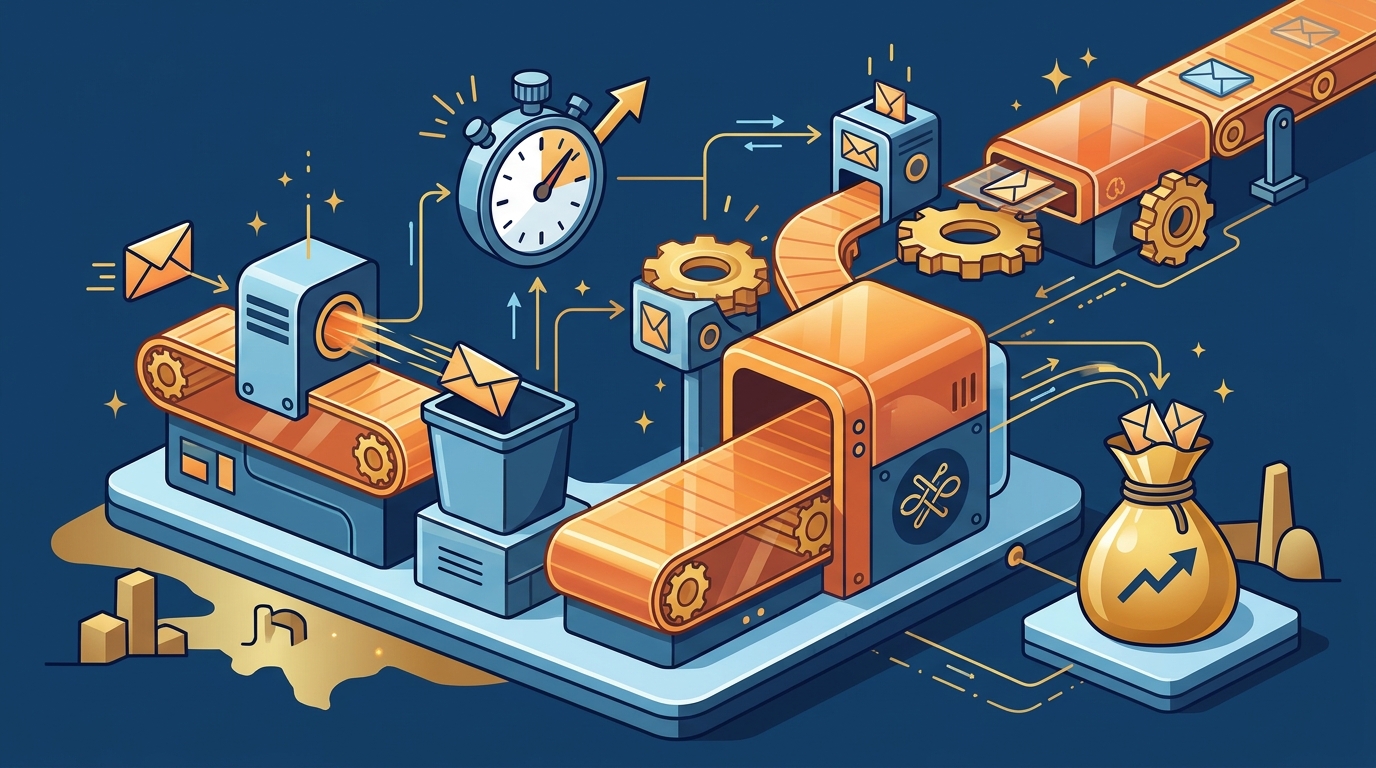
Selecting a CRM is a decision that impacts your entire sales operation. A CRM platform is software that centralizes customer data and automates workflows. For small teams, a lightweight tool might suffice, but as you grow, you need a system that scales with you. The choice depends on your budget, your team size, and the complexity of your sales cycle.
For many Houston-based firms, the decision comes down to integration capabilities. Your CRM must talk to your website, your email provider, and your phone system. If these tools do not communicate, you will spend hours manually entering data. This manual work is where leads go cold. The right platform connects these dots automatically, ensuring that every interaction is logged and every follow-up is triggered without human intervention.
Implication: Do not buy the most expensive tool. Buy the one that fits your current workflow and can grow with you. A complex system that your team refuses to use is worse than a simple one they rely on daily.
Design Personalized Automated Workflows
Generic automated emails are often ignored by prospects. To stand out, your follow-up must feel personal. This is where the power of a well-configured CRM shines. You can use the data captured at the point of entry to customize the message. If a lead selects